

Top Tips for Safe Candle Usage Tips at Home

Candles bring warmth, light, and a cozy atmosphere to our homes. They create a peaceful ambiance that helps us relax and unwind. However, burning candles safely is essential to enjoy their beauty without risk. We want to share practical advice that keeps your home safe while you enjoy your favourite candles. Let’s explore some simple, effective ways to burn candles responsibly.
Essential Safe Candle Usage Tips for Every Home
When we light a candle, we invite a small flame into our space. This flame needs respect and care. Here are some key tips to keep in mind:
Always place candles on a stable, heat-resistant surface. This prevents tipping and protects furniture.
Keep candles away from flammable materials. Curtains, paper, and fabric can catch fire easily.
Never leave a burning candle unattended. Extinguish candles when leaving the room or going to sleep.
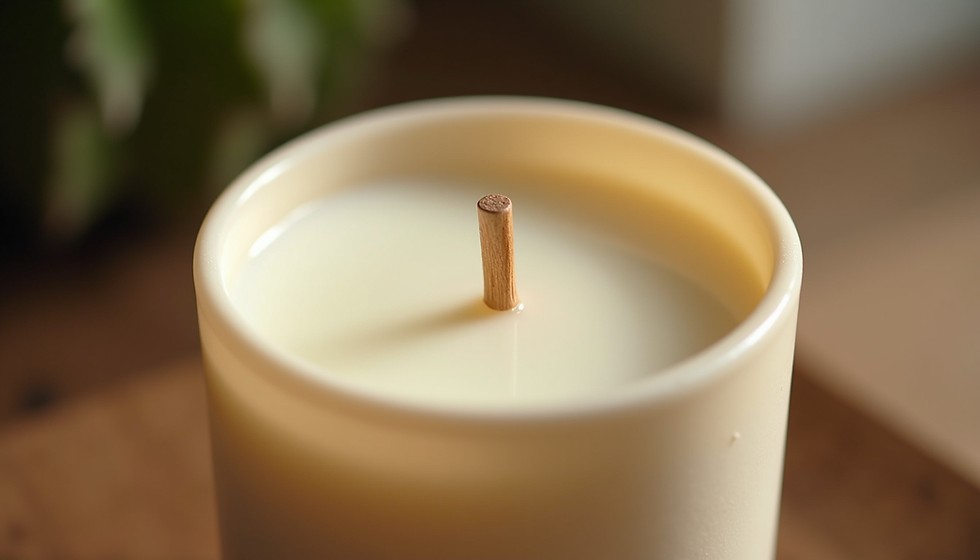
Trim the wick to about 5mm before lighting. A shorter wick helps the candle burn evenly and reduces soot.
Use candle holders that fit the candle snugly. This keeps the candle upright and safe.
Keep candles out of reach of children and pets. Curious hands and paws can cause accidents.
Avoid drafts near candles. Drafts can cause uneven burning or flare-ups.
By following these simple steps, we create a safer environment for everyone to enjoy the gentle glow of candles.

What is the safest way to burn a candle?
Understanding the safest way to burn a candle helps us prevent accidents and extend the life of our candles. Here’s what we do:
Light candles away from anything that can catch fire. This includes decorations, books, and furniture.
Burn candles within sight. We stay nearby to monitor the flame.
Keep the wick trimmed. A wick that is too long causes flickering and smoke.
Burn candles for no longer than 4 hours at a time. This prevents overheating the container.
Allow the wax to melt evenly across the surface. This avoids tunneling and wasted wax.
Use a snuffer to extinguish the flame. Blowing out candles can cause hot wax to splatter.
These steps help us enjoy our candles safely and make the most of their beautiful light.
How to Choose Safe Candles for Your Home
Not all candles are created equal. Choosing the right candle can improve safety and air quality. Here’s what to look for:
Opt for natural waxes like soy, beeswax, or coconut wax. These burn cleaner and produce less soot.
Avoid candles with lead-core wicks. They are hazardous when burned.
Select candles with cotton or paper wicks. These are safer and more eco-friendly.
Check for non-toxic fragrance oils. Some synthetic scents can release harmful chemicals.
Choose candles in sturdy containers. Glass or metal holders reduce fire risk.
By selecting candles thoughtfully, we support a safer home and a healthier environment.

Tips for Candle Placement and Maintenance
Where and how we place candles matters a lot. Here are some practical tips:
Place candles on flat surfaces away from edges. This prevents accidental knocks.
Keep candles at least 30cm apart. This avoids heat buildup and uneven burning.
Avoid burning candles near vents or fans. Airflow can cause flickering or uneven melting.
Clean candle holders regularly. Remove wax residue to prevent overheating.
Extinguish candles before they burn down to the bottom. This protects surfaces from heat damage.
Maintaining candles well ensures they burn safely and last longer.
Why Safe Candle Burning Tips Matter to Us
We believe in the power of candles to brighten homes and hearts. At Candlescape Foundation, we create eco-friendly natural soy wax candles that not only light up your space but also support a greater cause. Our mission is to empower underprivileged individuals by teaching them candle-making skills and funding charities.
By following safe candle burning tips, we protect our homes and loved ones while embracing sustainability. Together, we can enjoy the beauty of candles responsibly and make a positive impact in our communities.
Let’s light our candles with care and kindness, creating warmth that goes beyond the flame.


Comments